
Powers of Attorney in Victoria: What You Need to Know
A practical guide to enduring powers of attorney and medical treatment decision makers under Victorian law — and what happens if you don't have one.
Practice area
Guides on enduring powers of attorney, medical treatment decision makers, supportive attorneys, guardianship, administration and the elder-law safeguards that protect Victorians who appoint or act under them.
Featured in this area
A practical guide to enduring powers of attorney and medical treatment decision makers under Victorian law — and what happens if you don't have one.
Recognising elder financial abuse in Victoria — warning signs across bank accounts, property, wills and powers of attorney, and the civil and protective legal options available to families.
The Victorian legal authority families need before residential aged-care placement — enduring powers of attorney, medical treatment decision-makers, signing agreements and dealing with RAD/DAP choices.
A practical Victorian guide to appointing a supportive attorney under the Powers of Attorney Act 2014 (Vic) — what a supportive attorney can and cannot do, how it differs from an enduring power of attorney, capacity requirements, the correct form and witnessing, decision-support rather than substitute decision-making, third-party recognition, revocation and safeguards against abuse.
A practical guide to appointing and acting as a medical treatment decision maker in Victoria, including capacity, advance care directives and disputes.
Being appointed as an attorney can be a significant responsibility. Learn when and how an attorney may resign from the role in Victoria.
An attorney appointed under an enduring power of attorney must act in the principal's best interests. Learn what options may be available if concerns arise about misuse of authority.
The most common mistakes Victorians make when appointing an enduring power of attorney — choosing the wrong attorney, conflicts of interest, capacity, record keeping and how to prevent financial abuse.
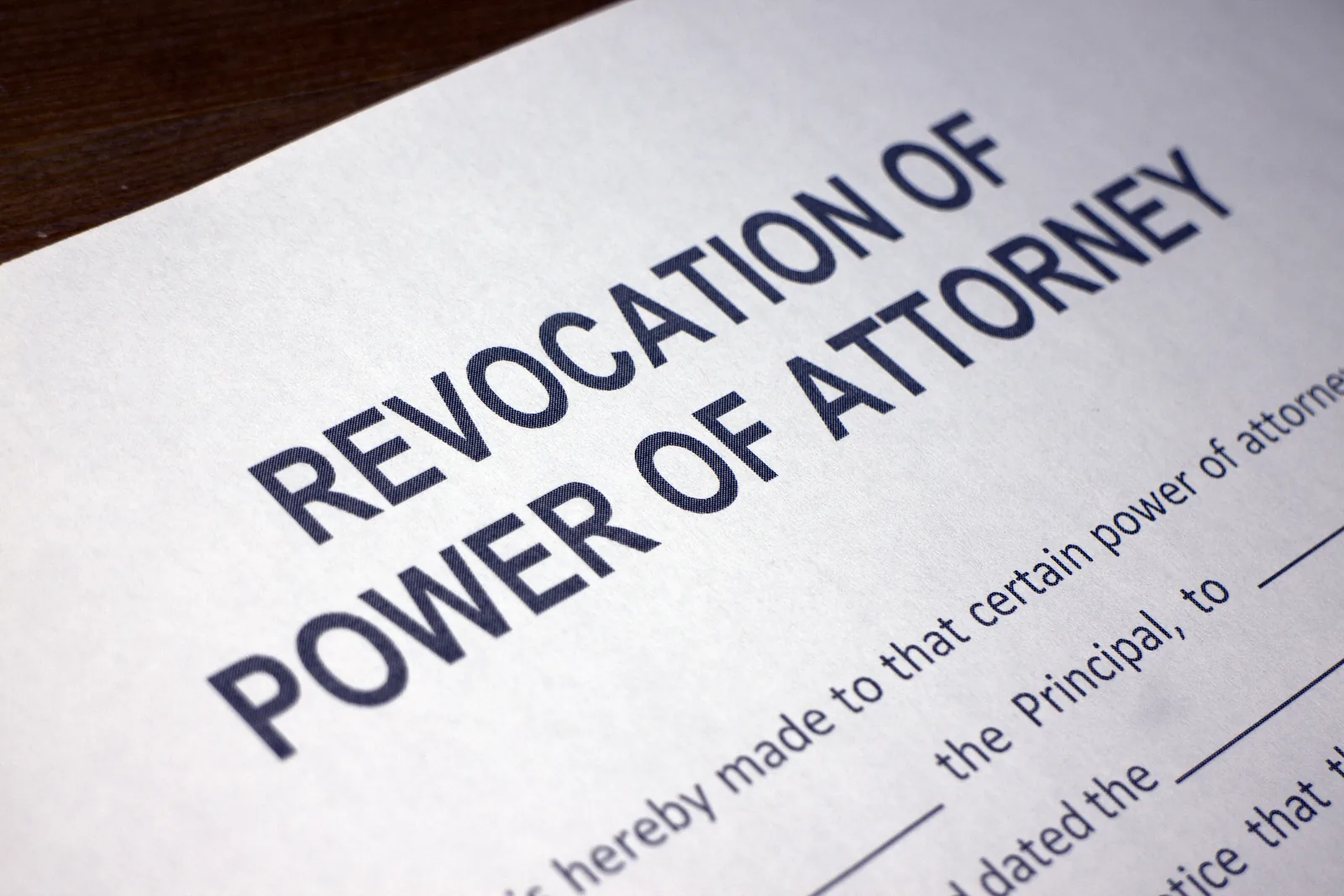
When and how an enduring power of attorney can be revoked in Victoria — capacity, the formal revocation process, notification, replacing an attorney, family disputes and Court involvement.
When a loved one has lost capacity and has no Will — or an outdated one — the Supreme Court of Victoria may authorise a statutory will. A plain-English guide for families on how it works and when it applies.