Wills & Estate Planning

Wills & Estate Planning Lawyers Melbourne

Protecting your family, your assets and your legacy through thoughtful estate planning and practical legal advice.

Mature couple meeting with an estate planning lawyer to discuss their will and succession plan

Estate planning is more than a will.

A will is the cornerstone of an orderly estate — but it is only one document in a properly designed plan. A genuine estate plan looks at the whole of your life, your relationships, your assets and the people who depend on you, and asks how each of them should be protected if you become unable to act, or when you die.

For most Victorians, a thoughtful plan addresses both the protection of assets during your lifetime — including the structures you hold them in — and the orderly transfer of those assets after your death. It also addresses what happens if illness, injury or age reduces your capacity to make financial, medical or personal decisions for yourself.

For business owners, professionals and trustees of family trusts, estate planning extends into succession planning: how control of a business, a self-managed superannuation fund or a family trust is passed on without disputes, tax shocks or loss of value. For families with significant wealth or complex circumstances, it includes tax-effective structuring, testamentary trusts and considered asset protection against creditors and family law risk.

And for families with a vulnerable beneficiary — a child with disability, a beneficiary at risk of bankruptcy, addiction or relationship breakdown, or a beneficiary receiving Centrelink support — careful drafting can preserve entitlements and shelter capital so that an inheritance is a help and not a hindrance.

Why choose Parke Lawyers.

Estate planning is among the most personal work a law firm undertakes. Our private client team brings the depth of a specialist practice and the care of a long-established Melbourne firm.

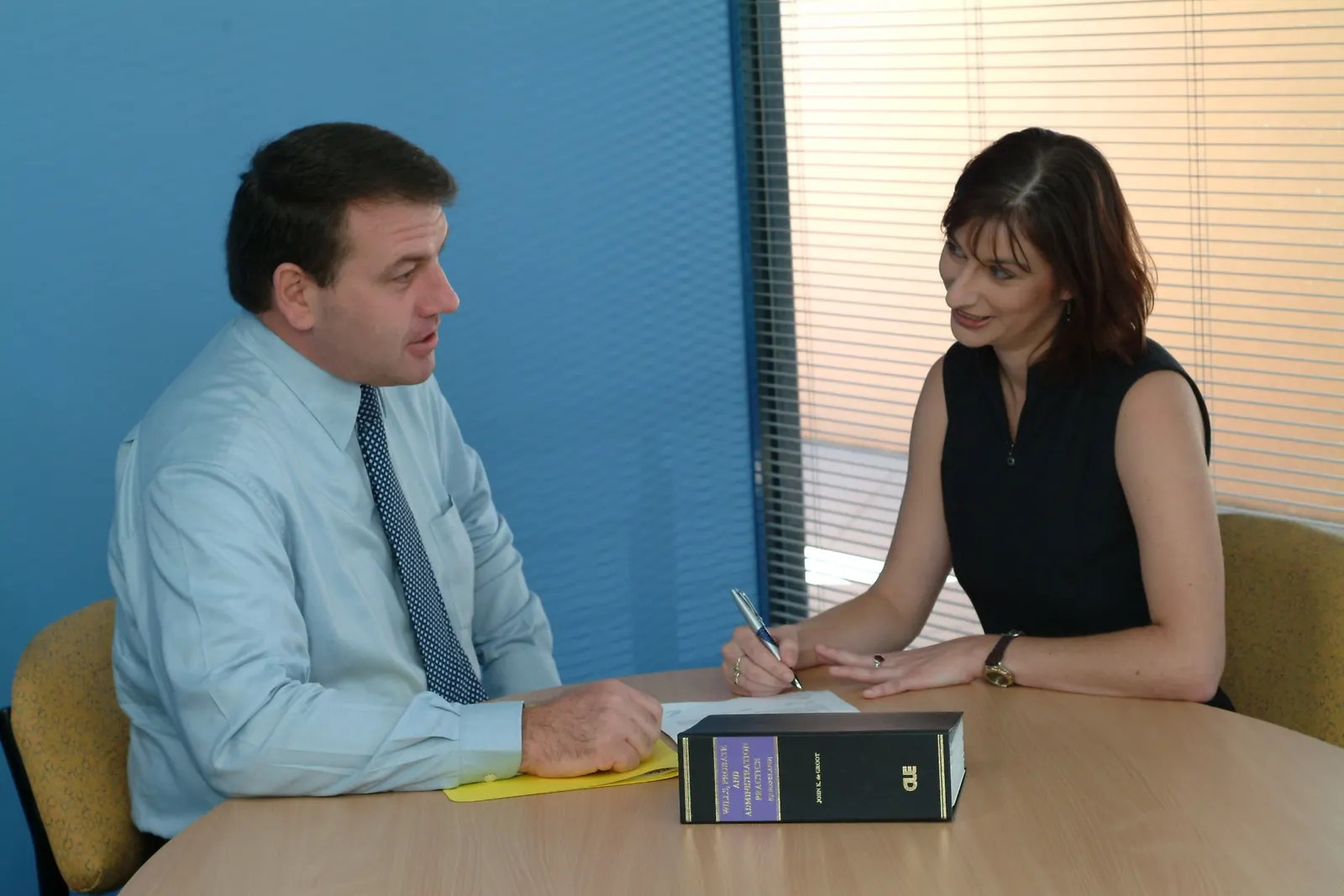
A Parke Lawyers solicitor in conference with a client across a boardroom table, a wills, probate and administration practice reference book at hand.
  • Accredited Specialist

    Commercial Law accreditation through the Law Institute of Victoria.

  • Doyle's Guide — Wills & Estates

    Recognised in Doyle's Guide for Wills, Estates & Succession Planning.

  • Doyle's Guide — Estate Litigation

    Recognised in Doyle's Guide for Estate Litigation.

  • More than 30 years' experience

    Decades of estate planning, business succession and contested estates work.

  • Melbourne CBD & Ringwood

    Two long-established offices serving clients across metropolitan Melbourne and regional Victoria.

  • ISO-certified practice

    Quality-assured systems and confidentiality across every matter.

  • Specialist private client team

    Wills, trusts, powers of attorney, superannuation and succession in one team.

  • Integrated advice

    Coordinated with accountants, financial advisers and trustees where you need it.

Our wills & estate planning services.

From a straightforward will through to complex business succession and intergenerational wealth planning, our team advises clients at every stage of life.

Wills

From straightforward wills through to complex multi-jurisdictional and blended-family arrangements, drafted to reflect your wishes with precision.

  • Standard wills
  • Complex wills with multiple beneficiary classes
  • Blended family wills and mutual wills
  • Business owner wills coordinated with shareholder and trust deeds
  • Asset protection planning within a will

Testamentary Trust Wills

Bespoke testamentary trusts that deliver flexibility, tax effectiveness and lasting protection for your beneficiaries.

  • Income splitting and tax-effective distributions
  • Flexibility to respond to beneficiaries' changing circumstances
  • Protection from creditors and bankruptcy
  • Protection from family law claims and relationship breakdown
  • Staged distributions for young or vulnerable beneficiaries

Powers of Attorney

Practical incapacity planning under the Powers of Attorney Act 2014 (Vic), so trusted people can act for you if you cannot act for yourself.

  • Enduring Powers of Attorney (financial and personal matters)
  • Medical Treatment Decision Maker appointments
  • Incapacity planning for ageing parents and clients
  • Supportive attorney appointments where appropriate

Advance Care Directives

Recording your values and instructions about future medical treatment under the Medical Treatment Planning and Decisions Act 2016 (Vic).

  • Values directives — what matters to you about your care
  • Instructional directives — binding consent to or refusal of treatment
  • Coordination with your Medical Treatment Decision Maker
  • Plain-English documents your family and clinicians can rely on

Superannuation & Death Benefit Planning

Superannuation rarely forms part of your estate by default. We make sure your super passes to the right people, in the right way.

  • Binding death benefit nominations — lapsing and non-lapsing
  • SMSF deeds, trustee succession and member benefit strategies
  • Direction of super to the estate where tax-effective
  • Coordination of super outcomes with your will and any testamentary trust

Special Disability Trust Planning

Carefully drafted arrangements that protect beneficiaries with disability — preserving Centrelink entitlements and providing lifelong support.

  • Special Disability Trusts under Commonwealth criteria
  • Protective testamentary trusts for vulnerable beneficiaries
  • Interaction with Centrelink, NDIS and superannuation
  • Choice and succession of trustees and protectors

Business Succession Planning

Coordinating wills, shareholder agreements, trust deeds and insurance so that a business survives — and supports the family — after death or incapacity.

  • Family business succession and ownership transition
  • Shareholder, partnership and unit-holder succession
  • Buy-sell agreements and key-person insurance
  • Continuity planning for trustees and appointors of family trusts

Estate Planning Reviews & Will Updates

Life circumstances change, and your estate plan should change with them. We help clients review and update wills, powers of attorney and related arrangements to ensure they continue to reflect their wishes and personal circumstances.

  • Reviewing outdated wills and estate plans
  • Updating arrangements after marriage, separation or divorce
  • Reviewing executors, trustees and attorneys
  • Updating superannuation death benefit nominations
  • Coordinating changes across your entire estate planning framework

Who should review their estate plan?

There is no single "right time" to put a plan in place — but certain life stages and circumstances mean an existing plan is almost certainly out of date.

Three generations of a family — grandmother, mother and young daughter — laughing together at home.

Young families

Guardianship of children, testamentary trusts for minors and life-insurance-funded estate planning.

Blended families

Balancing the interests of a current partner, children from earlier relationships, and step-children.

Business owners

Aligning wills with shareholder agreements, trust deeds, buy-sells and key-person insurance.

Retirees

Updating older wills, powers of attorney and advance care directives for the next stage of life.

High-net-worth individuals

Multi-entity wealth structures, tax-effective distribution, and intergenerational planning.

Beneficiaries with disabilities

Special Disability Trusts and protective arrangements that preserve Centrelink and NDIS entitlements.

Families with significant superannuation

Coordinating binding death benefit nominations with the will so super passes tax-effectively.

Separated or recently divorced clients

Reviewing and replacing wills, powers of attorney and nominations that may no longer reflect your wishes.

Common estate planning issues we resolve.

Most contested or costly estates we encounter share a small set of preventable causes. A short review with an experienced adviser typically removes each of them.

Dying without a will

Intestacy applies a rigid statutory formula under Victorian law — slower, more expensive and often producing outcomes the deceased would not have chosen.

Read more

Outdated wills

Wills that pre-date marriage, separation, the birth of children or the sale of a business frequently fail the family they were meant to protect.

Superannuation mistakes

Lapsed, invalid or absent binding nominations can result in super going to the wrong person — or being taxed at the highest rate.

Read more

Beneficiary disputes

Family provision claims under Part IV of the Administration and Probate Act can be reduced through careful drafting and supporting statements.

Blended family risks

Without specific planning, blended families are among the most common source of estate disputes and unintended outcomes.

Loss of capacity

Without an enduring power of attorney, families may need to apply to VCAT — a slower, more public and more expensive route.

Read more

Family business succession

Wills that conflict with shareholder agreements, partnership deeds or trust deeds can paralyse a business at the worst possible moment.

Read more

Executor uncertainty

Executors carry significant personal liability. Choosing the right executor — and supporting them with clear instructions — protects everyone.

Read more

Probate complications

Poorly drafted or improperly executed wills can delay probate for months and add substantial legal cost to an estate.

Read more

Frequently asked questions.

Plain-English answers to the questions we are asked most often by Melbourne clients.

Do I need a will?
Every Victorian adult with assets, a partner, children or a business should have a valid will. A will is the only document that lets you decide — with legal force — who inherits, who administers your estate and who cares for any minor children. Without one, Victorian intestacy law applies a rigid statutory formula that rarely matches what you would have chosen.
What happens if I die without a will?
Dying without a will is called dying intestate. Your estate is distributed under the Administration and Probate Act 1958 (Vic) according to a fixed hierarchy of relatives. The Supreme Court must appoint an administrator (instead of an executor you chose), the process is generally slower and more expensive, and the outcome can be especially harsh for blended families, de facto partners and step-children.
When should I update my will?
Review your will every three to five years and after any significant life event — marriage, separation, divorce, the birth of a child, a death in the family, retirement, sale or purchase of a major asset, starting or selling a business, or a change in a beneficiary's circumstances such as disability, bankruptcy or relationship breakdown. Marriage generally revokes an existing will in Victoria unless it is made in contemplation of that marriage.
What is a testamentary trust?
A testamentary trust is a trust created by your will that takes effect on your death. Instead of beneficiaries receiving an outright lump sum, their share is held on trust — providing potential income-splitting benefits, asset protection against creditors and family law claims, and the ability to stagger distributions for young, vulnerable or financially inexperienced beneficiaries.
Can my will control my superannuation?
Not automatically. Superannuation is held by the trustee of your fund and is dealt with according to the fund's rules and any binding or non-binding death benefit nomination you have made. We coordinate your will with valid binding nominations — and, where appropriate, direct super to your estate — so the two operate together as part of an integrated plan.
What is an enduring power of attorney?
An enduring power of attorney is a legal document under the Powers of Attorney Act 2014 (Vic) that authorises a trusted person to make financial and/or personal decisions for you if you lose capacity. Without one, your family may need to apply to VCAT for an administration or guardianship order — a slower, more public and more expensive process.
What is an advance care directive?
An advance care directive under the Medical Treatment Planning and Decisions Act 2016 (Vic) lets you record your values and specific instructions about future medical treatment. A values directive expresses what matters to you; an instructional directive gives binding consent to, or refusal of, specified medical treatment. We also help you appoint a Medical Treatment Decision Maker.
Where should I store my will?
The original will should be kept in secure, fire-resistant storage — typically in your solicitor's safe custody. Copies should be retained by you and provided to your executor, who must know where the original is held. A misplaced original can create a presumption that the will was revoked. Parke Lawyers offers complimentary safe custody storage for clients — see our safe custody page at /safe-custody for details and to download the document release request form.
Should business owners have a separate succession plan?
Yes. Your will is only one part of business succession. Shareholder agreements, partnership deeds, trust deeds, buy-sell arrangements, key-person insurance and the succession of trustees and appointors all need to be coordinated. We routinely see wills that conflict with these documents — conflicts that are only discovered after death, when they cannot be cleanly resolved.
How often should I review my estate plan?
At least every three to five years, and immediately after any significant life event or change in the law. A short review is far less expensive than discovering a gap after a death, illness or incapacity.


Related Information Centre articles.

In-depth, plain-English reading from our Information Centre.

View all articles →

Wills & Estate Planning

Estate planning is about protecting the people who matter most.

The best estate plans are made calmly, well before illness, incapacity or unexpected events arise. Speak with our private client team about a plan that reflects your wishes and protects your family — in confidential consultations at our Melbourne CBD or Ringwood offices, by telephone or by video.