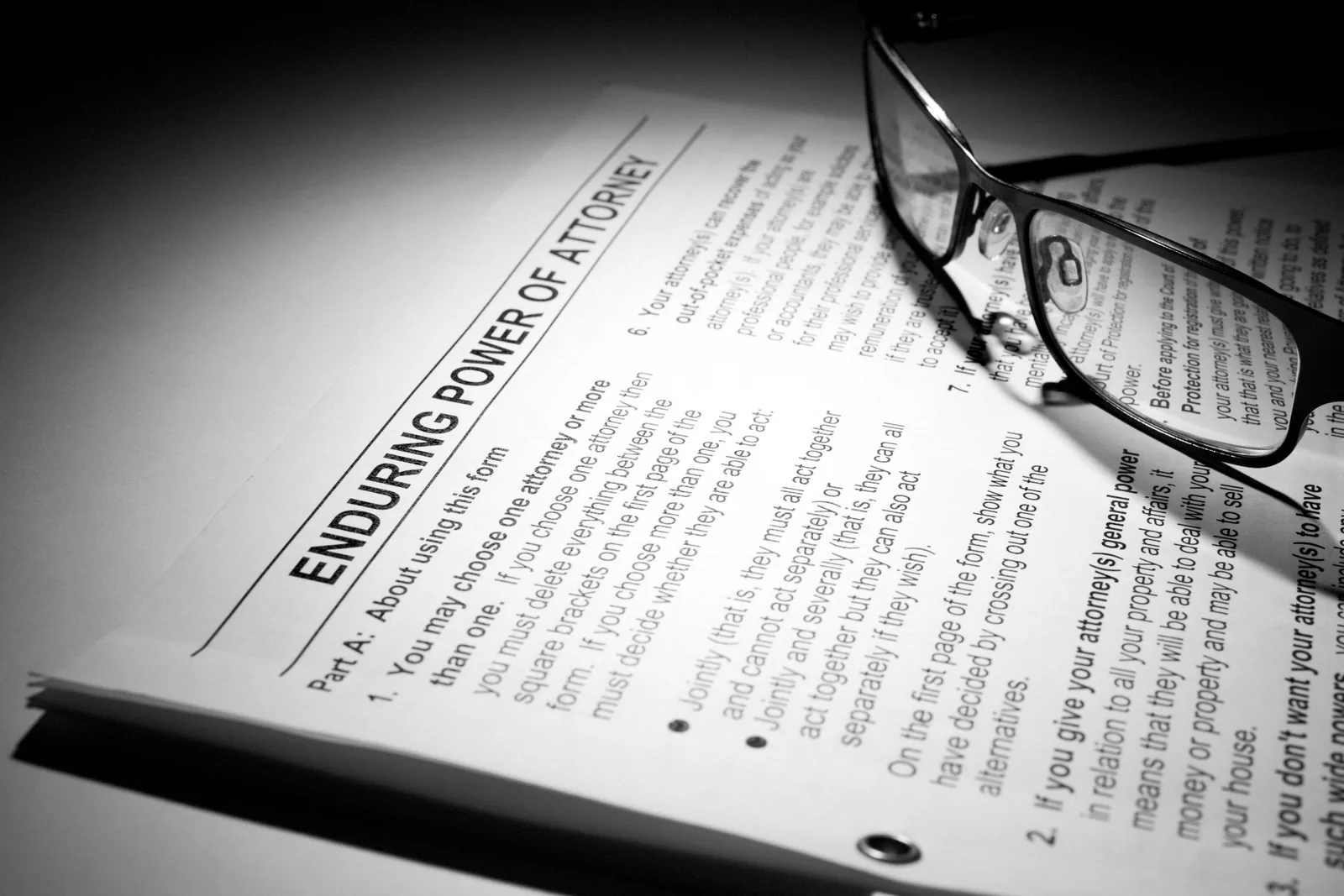
Powers of attorney are among the most consequential documents a person ever signs. They authorise another person to deal with money, property and personal decisions — sometimes indefinitely, sometimes at a moment of great vulnerability. Drafting them casually, or leaving the appointment until capacity is already in question, closes off the choices the principal would have made for themselves.
Elder-law work sits at the intersection of powers of attorney, medical decision-making, capacity, family dynamics and estate planning. It is rarely just a document exercise. Getting it right usually means talking through who should be appointed, what authority they should have, how disagreements are to be handled and how the appointment fits with the Will, superannuation nominations and any business or trust structure.
Our role is to draft the instruments that will work when they are needed, to advise families through the harder conversations, and to represent people at VCAT when a dispute cannot be resolved privately.