
Civil and commercial dispute resolution — how we approach it
Many commercial disputes resolve without a final hearing. The task at the start of a matter is to understand the facts, identify the cause of action and the defences, assess the strength of the evidence, and match the dispute to the resolution path that best serves the client's commercial position. Sometimes that is a carefully-drafted letter of demand followed by negotiation; sometimes it is early mediation; sometimes it is proceedings issued to preserve a limitation period or secure evidence.
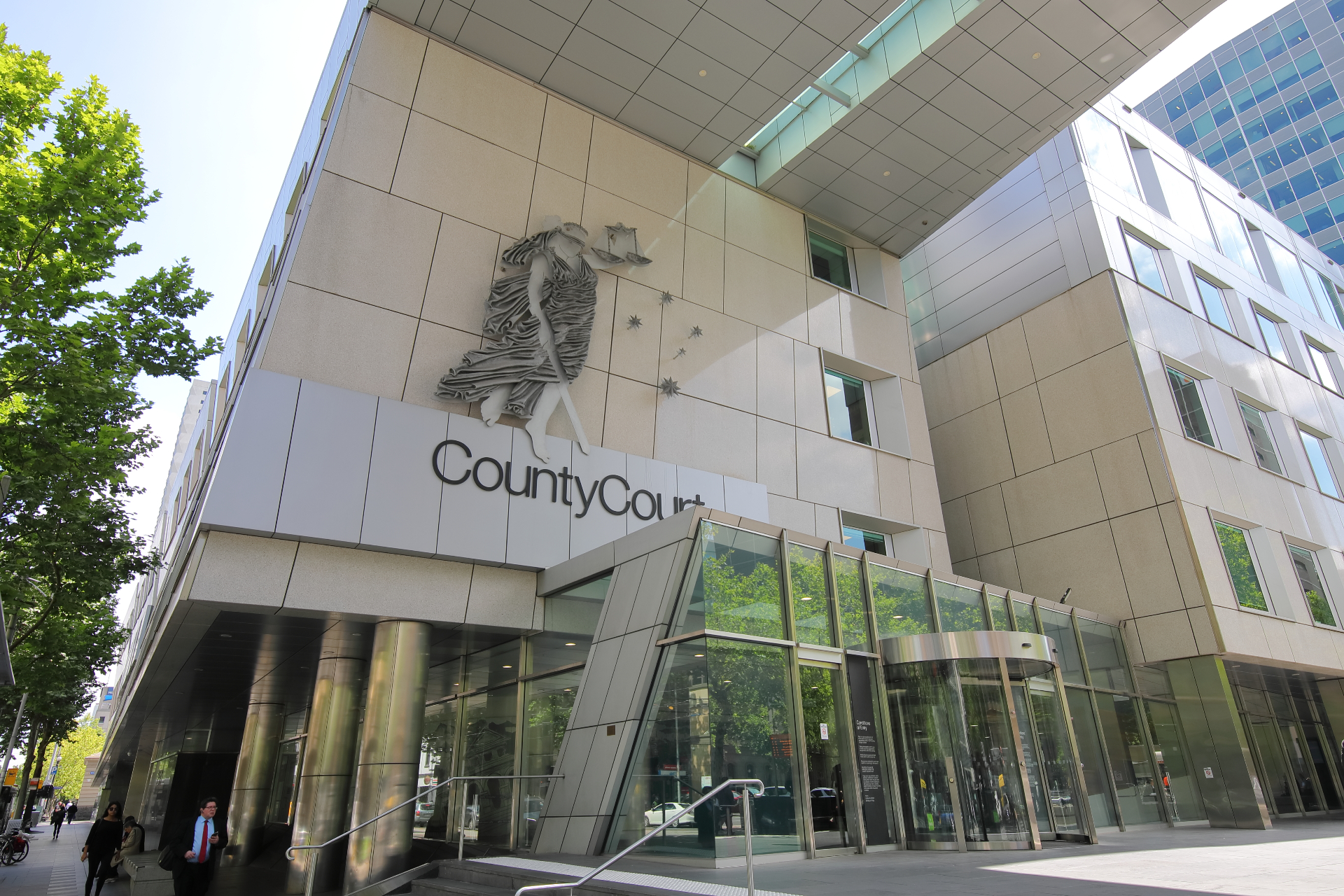
The forum matters. As a general rule, the Magistrates' Court of Victoria hears general civil claims up to $100,000; the County Court has unlimited civil jurisdiction; and the Supreme Court (including its Commercial Court list) hears matters within its jurisdiction, often including larger or more complex commercial disputes. Choice of forum turns on jurisdiction, the relief sought, complexity, applicable legislation and strategy — not simply the dollar value. Some disputes have a specialist forum: retail-tenancy disputes governed by the Retail Leases Act 2003 (Vic) typically begin with a mediation referral to the Victorian Small Business Commission (VSBC) with unresolved matters heard in VCAT, although urgent injunctive relief may still require a court application. Certain owners corporation and consumer matters are dealt with in VCAT, but not every dispute in those areas belongs there.
Preliminary steps and dispute-resolution requirements are matter-specific. There is no universal Victorian pre-litigation protocol requiring exchange of documents and a genuine settlement offer before every proceeding. Contractual dispute-resolution clauses, particular legislation, court rules and practice directions may impose preliminary steps in a given matter, and parties should always consider proportionate early resolution and preservation of their rights. The overarching obligations under the Civil Procedure Act 2010 (Vic) apply to civil proceedings in the Supreme, County and Magistrates' Courts (and certain other prescribed contexts) and require participants to act honestly, use reasonable endeavours to narrow and resolve disputes, and ensure costs are reasonable and proportionate.
Early case assessment, evidence and limitation periods
The first task in a commercial dispute is a clear-eyed assessment of merits, cost and time. That means identifying the legal and factual issues, testing the strongest cause of action against the available evidence, mapping the likely defences, and estimating the realistic recoverable position on a net basis after costs. We record that assessment and revisit it as the matter develops so decisions are made against a current view, not the first impression.
Evidence needs to be secured early. Contemporaneous documents, correspondence, invoices, meeting notes and electronic records often determine outcomes; loss of evidence — whether through routine deletion policies, staff turnover, or destruction of devices — is one of the most avoidable litigation risks. Where a document-preservation obligation may arise, we advise on immediate steps.
Limitation periods are strict and are set by the Limitation of Actions Act 1958 (Vic) and other statutes. Many contract claims and some tort claims in Victoria are subject to a six-year period running from accrual of the cause of action, but deeds, personal injury, defamation, statutory causes of action and other claims can have materially different periods and different accrual and discoverability rules. In respect of judgments, section 5(4) of the Limitation of Actions Act addresses actions upon a judgment after 15 years; separately, particular enforcement processes and court rules may require leave to enforce, or compliance with other requirements, after materially shorter periods. Missing an applicable period may bar the claim or the remedy, subject to any extension or postponement rules that apply. Where a deadline is close, we prioritise steps to preserve the position.
The disputes we most often act in
Contract and commercial disputes are the largest single category — disputes over the interpretation or performance of supply, distribution, services, IT or construction contracts; alleged misleading or deceptive conduct under the Australian Consumer Law; and claims for damages, restitution or specific performance. Careful attention to the contract, the relevant admissions, and the loss actually suffered usually drives the strongest position.
Debt recovery — whether an undisputed liquid debt or a contested claim raising set-off or counterclaim — is handled proportionately. For clear liquid debts, we manage letters of demand, pre-issue negotiation, and, where appropriate, court proceedings. A creditor's statutory demand under Part 5.4 of the Corporations Act 2001 (Cth) is a corporate insolvency procedure available where the debtor is a company and the debt is due and payable and not genuinely disputed; it is not an ordinary substitute for debt-collection litigation and should not be used where there is a genuine dispute or offsetting claim, because the debtor can apply to set it aside with costs consequences.
Business, shareholder and partnership disputes require particular care because they typically involve continuing relationships. We advise on shareholder oppression, buy-out mechanisms, breach of directors' duties, deadlocks and dissolutions, and on partnership dissolution and account, with an eye to preserving value in the underlying business where that is achievable.
Property and commercial-leasing disputes cover a range of matters. Retail-tenancy disputes governed by the Retail Leases Act 2003 (Vic) are typically referred to the VSBC for mediation, with unresolved matters heard in VCAT; other commercial leases and disputes involving possession, mortgage enforcement, caveats and equitable interests are typically dealt with in the Magistrates', County or Supreme Court depending on the nature of the dispute and the relief sought. Owners corporation and off-the-plan issues are handled by our conveyancing and property team, with our litigation lawyers stepping in where proceedings are needed.
Negotiation, mediation and court proceedings
Direct negotiation and mediation can resolve many commercial disputes without a final hearing. A well-prepared mediation, with the right decision-makers involved and a realistic assessment of the range of outcomes, is often a valuable step in the matter. Mediation is ordinarily conducted on a confidential and without-prejudice basis, subject to the terms of the mediation agreement, any court order or rule, any applicable legislation and limited exceptions (for example, where evidence of an agreement reached at mediation is needed to enforce that agreement). Agreements reached at mediation are commonly recorded in a written settlement agreement — often a deed of settlement — providing certainty on payment, releases and confidentiality; the appropriate form of documentation depends on the matter.
Where proceedings are needed, we prepare and file the originating process in the appropriate court or tribunal, manage discovery and interlocutory steps, brief counsel where the matter warrants it, and progress the matter to mediation, trial or resolution. Throughout, we consider and make written offers of compromise under the applicable court rules and Calderbank offers, both of which may affect the court's discretion on costs depending on their terms, timing, reasonableness and the eventual result at trial. There is no automatic costs consequence for refusing an offer.
Costs, proportionality and the overarching obligations under the Civil Procedure Act 2010 (Vic) are treated as a live consideration at each step. We aim to run matters in a way that matches the level of resource spent to the amount and importance of what is genuinely at stake.
Interlocutory relief — injunctions and freezing orders
Some disputes require the court's intervention before final rights are determined — most commonly to preserve the subject-matter of the dispute, prevent misuse of confidential information, restrain a breach of a restraint of trade, or preserve assets that would otherwise be dissipated. The Supreme Court and County Court both have relevant power, and applications may be made on short notice (or, in genuinely urgent cases, without notice) where the criteria are met.
Interlocutory relief is discretionary and demanding. The applicant must generally show a serious question to be tried, that damages would not be an adequate remedy, and that the balance of convenience favours the order. The applicant must also give the usual undertaking as to damages — an important commercial commitment. On any without-notice (ex parte) application the applicant is subject to a strict duty of full and frank disclosure of all material facts, including matters adverse to the application. Urgent relief is never guaranteed; not every dispute warrants an interlocutory application, and where the circumstances do warrant it, prompt action is essential.
Not covered on this page
This page addresses civil and commercial litigation only. Family-law disputes (including property, parenting and intervention orders) are dealt with by our family-law team. Criminal and traffic matters listed at Ringwood Magistrates' Court are handled by our criminal and traffic team. Family provision claims and other estate-litigation matters — will challenges, executor disputes and beneficiary disputes — are handled by our estate-litigation team.
Where a matter straddles more than one area (for example, a shareholder dispute that also has a separation angle, or an executor dispute over a business), we co-ordinate internally so the client is served by the right combination of practitioners without duplication.
Common situations Ringwood clients bring to us
A customer or supplier has not paid a substantial invoice
We assess whether the debt is genuinely disputed, and (for company debtors) whether a statutory demand under Part 5.4 of the Corporations Act is an appropriate step or whether ordinary debt-recovery proceedings are the safer path. Where the debt is disputed, we advise on the merits before proceedings are issued.
A contractual counterparty is in default
We review the contract, notice requirements and any dispute-resolution clause, advise on election between termination, damages and specific performance, and prepare the correspondence needed to preserve rights.
A shareholder or business partner is behaving oppressively
We advise on the statutory oppression remedy under Part 2F.1 of the Corporations Act, on shareholder-agreement mechanisms (including buy-outs and drag/tag provisions), and on the practical steps to preserve value in the business while the dispute is resolved.
A departing employee is misusing confidential information
We advise on cease-and-desist correspondence, undertakings, and (where warranted) urgent injunctive relief to protect confidential information and enforce a restraint of trade.
A landlord or tenant dispute cannot be resolved commercially
We advise on the proper forum — the VSBC/VCAT pathway for retail leases governed by the Retail Leases Act 2003 (Vic), and the appropriate court for other commercial leases and for urgent relief — and on relief against forfeiture, rent and outgoings disputes and make-good at end of term.
You have been served with proceedings
We assess the merits, advise on the timeframe to file a response, engage on early without-prejudice settlement where sensible, and, if the claim is defended, prepare the defence and any counterclaim.
Why Ringwood and eastern-suburbs clients choose Parke Lawyers
- Ringwood office at 281 Maroondah Highway — by appointment, or by phone or video where more convenient.
- Cost-aware, proportionate approach to dispute resolution: we scale resource to what is genuinely at stake, and revisit strategy as the matter develops.
- Civil and commercial dispute-resolution assistance from early letters of demand and negotiation, through mediation, to court proceedings and, where obtained, judgment enforcement.
- Co-ordination with the firm's commercial, employment, property, estate-litigation and family-law teams where a dispute overlaps with another area.
- Careful attention to the overarching obligations under the Civil Procedure Act 2010 (Vic) at every step, and to the proportionality of legal cost against what is genuinely at stake.
How the legal process works
- 01
Initial meeting and merits assessment
We identify the cause of action, likely defences, the strength of the available evidence, the appropriate forum, and any pressing limitation period. We give a candid view of merits and estimated cost so decisions can be made on informed grounds.
- 02
Pre-litigation steps
In most matters we send a considered letter of demand or letter before action and, where appropriate, engage on early without-prejudice discussions. Where the contract, applicable legislation or a practice direction requires particular pre-issue steps (for example, contractual mediation or notice), we manage those before proceedings are issued.
- 03
Mediation or alternative dispute resolution
Where the matter is suited to mediation, we brief the mediator, prepare a position paper, and represent the client at the mediation. Agreements reached at mediation are commonly recorded in a written settlement agreement — often a deed of settlement — although the appropriate form of documentation depends on the matter.
- 04
Court or tribunal proceedings
If proceedings are needed, we issue in the appropriate forum, manage pleadings, discovery and interlocutory applications, and brief counsel where the matter warrants it. Written offers of compromise and Calderbank offers are considered strategically as part of positioning on costs.
- 05
Resolution, judgment and enforcement
Following settlement or judgment, we document the outcome and, where required, advise on enforcement. The processes potentially available include instalment orders, warrants to seize property (warrants of seizure and sale), attachment of debts (garnishee), attachment of earnings, examination processes, and — for company debtors — corporate insolvency options; the availability of a particular remedy depends on the court in which judgment was entered and the debtor's circumstances.
When to obtain legal advice
Early advice can help identify available options, protect relevant rights and avoid preventable delay or cost. Speak with one of our Ringwood lawyers if any of the following apply:
- A commercial dispute is not resolving through normal correspondence
- You have been served with a claim, subpoena or statutory demand
- A limitation period may be approaching
- Evidence needs to be preserved (documents, devices, records held by third parties)
- A shareholder, partner, director or joint-venture counterparty is acting in breach
- A tenant or landlord dispute is heading toward possession or forfeiture
- A former employee or contractor is misusing confidential information or breaching a restraint
- You are considering issuing or defending an application for an injunction or freezing order
- A judgment debtor is not paying and enforcement is required
Related Parke Lawyers resources
Service
Litigation & Dispute Resolution
Overview of the firm's civil and commercial dispute-resolution practice — early case assessment, contract and commercial disputes, debt recovery, business disputes, mediation and court proceedings in the Magistrates', County and Supreme Courts of Victoria.
Learn moreLocal office
Parke Lawyers Ringwood
281 Maroondah Highway, Ringwood — opening hours, directions and full list of services from the Ringwood office.
Office detailsIn-depth reading from our Information Centre
Frequently asked questions
Which court will my dispute be heard in?+
As a general rule, general civil claims in Victoria of $100,000 or less are heard in the Magistrates' Court. The County Court has unlimited civil jurisdiction, and the Supreme Court (including its Commercial Court list) hears matters within its jurisdiction, often including larger or more complex commercial disputes. Choice of forum turns on jurisdiction, the relief sought, complexity, applicable legislation and strategy — not simply value. Some matters have a specialist forum, such as retail-tenancy disputes at the VSBC/VCAT, but not every landlord-tenant, owners corporation or consumer dispute belongs in VCAT.
What is the time limit for commencing a civil claim in Victoria?+
Limitation periods are set by the Limitation of Actions Act 1958 (Vic) and other statutes. Many contract claims and some tort claims are subject to a six-year period running from accrual, but deeds, personal injury, defamation, statutory causes of action and other claims can have materially different periods and accrual rules. In respect of judgments, section 5(4) of the Limitation of Actions Act deals with actions upon a judgment after 15 years, and particular enforcement processes may require leave or compliance with other rules after shorter periods. Missing an applicable period may bar the claim or remedy, subject to any extension or postponement rules; if a deadline is close, obtain advice immediately.
Can you resolve a dispute without going to court?+
Many disputes settle without a final hearing. Direct negotiation, without-prejudice offers and mediation can resolve a dispute without a final hearing and may reduce cost, delay and risk. Whether an early-resolution path suits a matter depends on the merits, evidence, counterparty and commercial context.
When is a statutory demand appropriate?+
A creditor's statutory demand under Part 5.4 of the Corporations Act 2001 (Cth) is a corporate insolvency procedure, not an ordinary substitute for debt-collection litigation. It is available where the debtor is a company and the debt is due and payable and not genuinely disputed. It is not appropriate where there is a genuine dispute or offsetting claim, because the debtor can apply to set the demand aside on those grounds with costs consequences.
What are the overarching obligations in Victorian civil proceedings?+
The Civil Procedure Act 2010 (Vic) imposes overarching obligations on parties, lawyers and litigation funders in civil proceedings in the Supreme, County and Magistrates' Courts (and certain other prescribed contexts). The obligations include acting honestly, not making claims or responses without a proper basis, using reasonable endeavours to resolve or narrow the dispute, cooperating in the conduct of the proceeding, disclosing critical documents early, and ensuring costs are reasonable and proportionate. Breach can attract costs and other consequences.
How are legal costs handled in Victorian civil litigation?+
In Victorian civil litigation, costs are ultimately in the court's discretion under the Civil Procedure Act 2010 (Vic) and the relevant court rules. The general rule is that costs follow the event, meaning the successful party is usually awarded a portion of its costs, but the court may depart from that general rule having regard to the parties' conduct, offers made, breaches of the overarching obligations and other relevant considerations. Written offers of compromise under the applicable court rules and Calderbank offers may affect the court's discretion on costs, depending on their terms, timing, reasonableness and the eventual result. We give a written cost estimate at the outset and update it as the matter progresses, together with a running view of the realistic net recoverable position.
Can I get an urgent injunction?+
Interlocutory injunctions are available where the applicant shows a serious question to be tried, that damages would not be an adequate remedy, and that the balance of convenience favours the order. The applicant must give the usual undertaking as to damages. Applications can, in genuine urgency, be made without notice; where a without-notice application is made, the applicant is subject to a strict duty of full and frank disclosure of all material facts, including matters adverse to the application. Not every dispute warrants an interlocutory application and no urgent relief is guaranteed; where the circumstances do warrant it, prompt action is essential.
How is a judgment enforced?+
A money judgment is enforced through processes available in the relevant court, which may include instalment orders, warrants to seize property (warrants of seizure and sale), attachment of debts (garnishee), attachment of earnings, and examination processes; for company debtors, corporate insolvency options may also be relevant. The availability of a particular remedy depends on the court in which judgment was entered and the debtor's circumstances. We advise on the most cost-effective enforcement path based on what is known about the debtor.
Do you handle family-law, criminal or estate-litigation disputes?+
Yes, but through separate teams. This page is confined to civil and commercial disputes. Family-law disputes, criminal and traffic matters, and family provision and other estate-litigation matters are addressed on the firm's separate practice pages. Where a matter straddles areas, we co-ordinate internally.