
Information Centre · Criminal & Traffic Law

Driving While Suspended or Disqualified in Victoria

Driving while a licence is suspended, cancelled or disqualified is a criminal traffic matter — not a fine to brush off. The right response depends on the exact licence status at the time, the source of the restriction, the notices and orders involved and the evidence — not on assumptions imported from the original suspension or from another State.
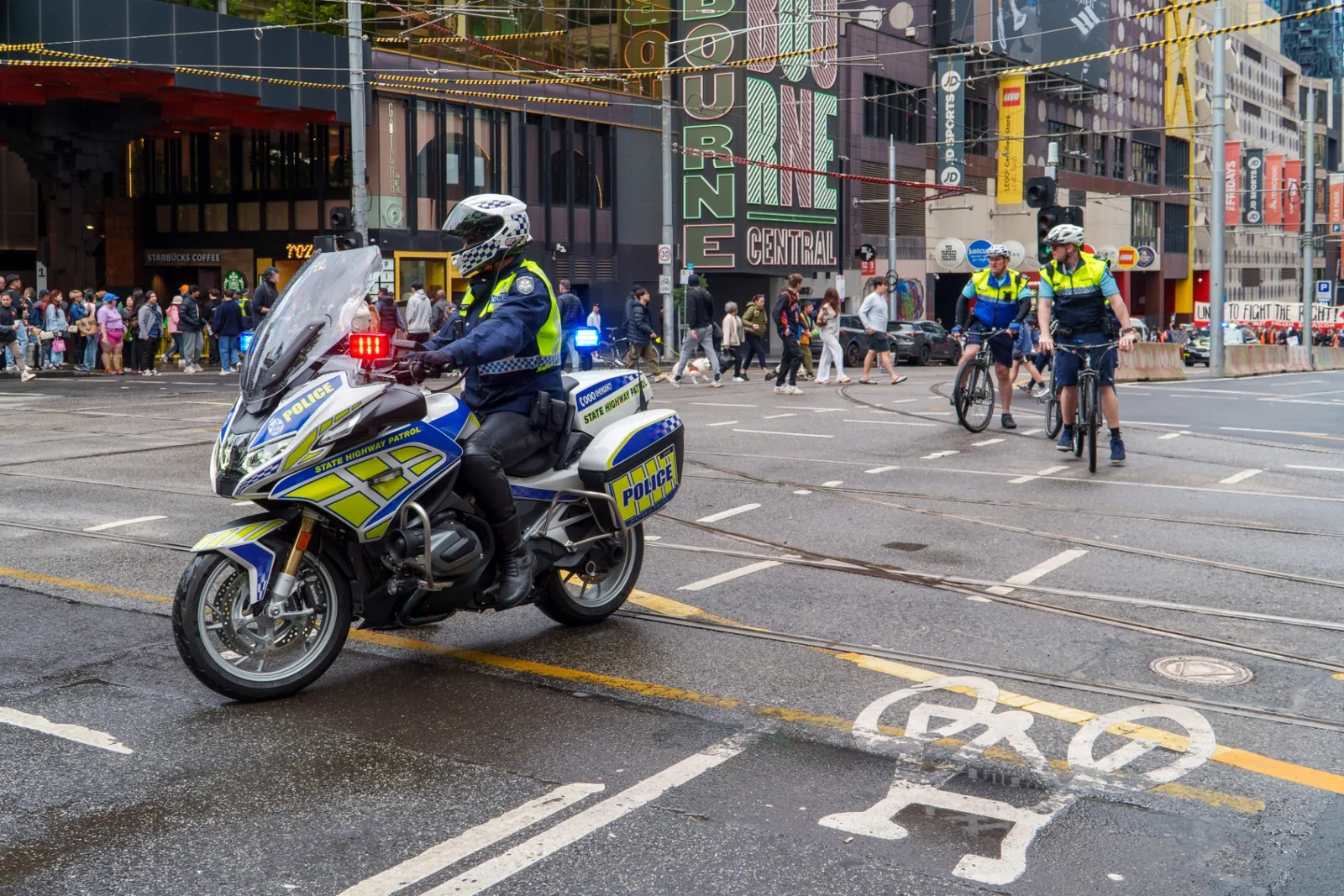
Victoria Police highway patrol motorcycle and officers conducting road enforcement
By Parke Lawyers Editorial TeamReviewed by JULIAN McINTYRE, AssociateLast reviewed

Key points

  • Identify the exact licence status at the time of driving — suspension, cancellation, disqualification and ordinary unlicensed driving are different offences with different elements, evidence and consequences, and the charge sheet is the starting point for every decision that follows.
  • Stop driving unless and until current legal authority is confirmed in writing — the end of a stated suspension period does not always equal reinstatement, and continuing to drive in the interim is almost always a separate offence that damages the substantive matter.
  • Obtain the complete licence record, every suspension, cancellation and disqualification notice, the underlying court order (if any) and the police brief — including body-worn camera material — before considering plea, evidence or sentencing material.
  • Distinguish suspension (a time-limited prohibition on an existing licence), cancellation (the licence has ceased and a fresh grant is needed), disqualification (a court or statutory prohibition on obtaining or holding a licence) and ordinary unlicensed driving — and check the source of the restriction, because demerit-point, infringement, drink- or drug-driving, medical and court pathways each have different reinstatement requirements.
  • Consider criminal, licence, vehicle and employment consequences separately — sentencing exposure can include further disqualification, conviction, vehicle impoundment and (in some categories and for repeat offending) imprisonment; insurance cover may be excluded; and professional or commercial licence holders may face additional reporting obligations.
  • Obtain independent legal advice before entering a plea, giving evidence on what you knew about the suspension, challenging a notice or vehicle-impoundment notice, or applying for reinstatement, eligibility orders or related relief — once a plea is entered or a deadline lapses the options narrow rapidly.

Table of Contents

  1. The direct answer
  2. What does driving while suspended or disqualified mean?
  3. Suspension, cancellation, disqualification and unlicensed driving
  4. Common sources of a suspension or disqualification
  5. Learner permits, probationary and interstate licences
  6. How the charge usually arises
  7. What the prosecution generally must prove
  8. Notice, service and knowledge
  9. Mistake, administrative error and emergency arguments
  10. Driving before formal reinstatement
  11. What happens after being charged
  12. Guilty, not-guilty and negotiated pathways
  13. Sentencing considerations
  14. Available sentencing outcomes — carefully qualified
  15. Vehicle impoundment, insurance and employment
  16. Repeat offending and prior history
  17. Appeals and review rights
  18. Licence-status comparison table
  19. Source-of-restriction table
  20. Document checklist
  21. Common mistakes
  22. Practical action plan
  23. Worked examples
  24. When urgent legal advice is required
  25. Conclusion
  26. Frequently Asked Questions

The direct answer

Driving while a licence is suspended, cancelled or disqualified is a criminal traffic matter, ordinarily dealt with in the Magistrates' Court. The precise charge depends on the person's legal licence status at the time of driving — and suspension, cancellation, disqualification and ordinary unlicensed driving are not interchangeable.

The prosecution material, the licence history, suspension or cancellation notices and any court disqualification orders should be reviewed carefully before any plea, admission or licence decision. The end of a stated suspension period does not always mean a person may immediately resume driving; employment need or personal hardship does not, by itself, create legal authority; and continuing to drive in the meantime is almost always counter‑ productive.

Further licence consequences are common on a finding of guilt, and in some categories — particularly driving while disqualified and repeat offending — imprisonment is a realistic sentencing option. Vehicle impoundment, insurance and employment consequences can run separately. A driver who is unsure whether they are legally authorised to drive should stop driving and obtain advice — not assume the position based on memory, an old licence card or informal advice from another person.

This article is reviewed by Julian McIntyre, Associate. It sits as the offence-specific Parke Lawyers resource on driving while suspended, cancelled or disqualified, and is intended to be read together with the cornerstone on going to the Magistrates' Court for a criminal or traffic matter, the resource on drink driving in Victoria, the resource on drug driving in Victoria, the guide on what to do when police want to interview you and the resource on diversion eligibility in Victoria. It is general information only, does not constitute legal advice, does not tell any reader how to plead and does not promise any particular outcome. Where representation is required, our criminal and traffic law team can assist.

What does driving while suspended or disqualified mean?

"Driving while suspended or disqualified" is shorthand for a small group of related offences under the Road Safety Act 1986 (Vic). The common feature is that the driver did not have a current and effective authority to drive at the relevant time. The exact charge depends on the precise licence status — and the difference is not cosmetic. Suspension, cancellation, disqualification and ordinary unlicensed driving are handled differently, both in terms of the elements the prosecution must establish and in terms of the consequences a court may impose.

The first task in any such matter is to identify what the person was actually charged with. The charge sheet and summons set out the alleged offence and the date, time and location of the alleged driving. That charge is the starting point for everything that follows — evidence, plea, sentencing and licence consequences.

Suspension, cancellation, disqualification and unlicensed driving

Suspension is a time-limited prohibition on driving on a licence that, in principle, continues to exist. A suspension may be imposed administratively (for example, by accumulation of demerit points or as an immediate suspension following certain offences), by infringement-related action, by medical or fitness-to-drive review or by court order. Suspension is not a fine — the licence holder cannot drive for the duration of the suspension, regardless of whether the underlying penalty has been paid.

Cancellation is more serious. A cancelled licence has ceased; the person is no longer a licence holder. To drive again the person must apply for a new licence and, in some cases, satisfy additional requirements (testing, medical clearance, program completion or court orders). Reapplying does not, by itself, restore driving authority.

Disqualification is a court or statutory prohibition on obtaining or holding a licence. It is the most serious of the licence consequences considered in this article. A disqualified person who drives commits a more serious offence than a suspended driver, and the consequences may include further disqualification, conviction and (in some categories) imprisonment.

Ordinary unlicensed driving covers people who have never been licensed in the relevant class, or whose licence has expired without further action. While related, this is a different offence family — different elements, different evidentiary pathway and different consequences.

Why the distinctions matter is simple. Defences, evidence and sentencing are calibrated to the actual offence. Treating a disqualification matter as if it were a suspension matter understates the risk; treating a suspension matter as if it were a disqualification overstates it. The licence status at the time of driving must be confirmed from the official record rather than assumed.

Common sources of a suspension or disqualification

A Victorian licence can become subject to a suspension, cancellation or disqualification through several distinct pathways. Each pathway has its own statutory basis, its own notice requirements and its own consequences for what the driver must do next.

  • Demerit-point suspensions. The accumulation of demerit points beyond statutory thresholds triggers an offer of an extended demerit period or a suspension. Different thresholds apply to full, probationary and learner drivers.
  • Infringement-related suspensions.Some infringement and enforcement matters under the Infringements Act 2006 (Vic) can lead to licence suspension. The interaction with the underlying fines and any payment arrangements should be checked carefully.
  • Immediate drink-driving suspensions.Drink-driving offences can engage immediate administrative suspensions independently of the court process. The substantive drink-driving framework is the subject of the separate drink driving in Victoria resource.
  • Drug-driving suspensions. Drug- driving offences engage their own immediate and court-based licence consequences, covered in the drug driving in Victoria resource. The roadside testing, laboratory and medicinal-cannabis content is not repeated here.
  • Medical and fitness-to-drive suspensions. Transport Victoria may suspend or cancel a licence on medical grounds (for example, following a serious medical episode or an updated medical assessment). These suspensions operate independently of the criminal process.
  • Court-ordered disqualification. The Magistrates' Court (and, on appeal, higher courts) can disqualify a person from driving as a sentence for certain offences. Court disqualification ordinarily survives the underlying fine or sentence.
  • Licence cancellation by court or statute. Some offences carry mandatory or discretionary cancellation, after which a fresh grant of licence is required.
  • Interstate and overseas issues.Interstate suspensions and disqualifications can affect the Victorian licence and vice versa. The precise effect depends on the offence, the jurisdictions and current arrangements.

Identifying the source of the restriction is essential. The source determines what document a driver should obtain, what evidence the prosecution may rely on, whether reinstatement is administrative or court-based and what (if any) further steps must be completed before the licence can be used again.

Learner permits, probationary and interstate licences

Learner permits and probationary licences are "licences" for the purposes of the relevant offences. A suspended learner permit can support a driving-while-suspended charge in the same way as a suspended full licence. The probationary period also engages additional restrictions (alcohol, mobile phones, peer passengers and demerit-point thresholds) that may have led to the original suspension and that often complicate sentencing.

Interstate licence holders who drive in Victoria are subject to Victorian road law while they do so. A Victorian disqualification or suspension can affect their authority to drive in Victoria and ordinarily must be disclosed to the home licensing authority. People who hold dual licences or who have recently moved should obtain advice on how the various authorities interact.

How the charge usually arises

Most driving-while-suspended and driving-while- disqualified charges arise from routine police interception — a random check, a roadside testing location, a vehicle stop following a traffic offence or a check during a separate incident. Police access to licence-status systems is broadly contemporaneous, and an apparently routine stop can become a charge if the system shows the licence is suspended, cancelled or the driver disqualified.

Charges can also follow automated detection (for example, traffic camera infringements where the registered driver is identified) and information received from other agencies. Admissions made at the roadside — about driving, about the route, about knowledge of the suspension — can become important prosecution evidence. The general guidance in the police interview guide is relevant to how those admissions should be considered.

What the prosecution generally must prove

Although the elements vary with the precise charge, a driving-while-suspended or driving-while-disqualified prosecution ordinarily needs to establish:

  • the identity of the driver;
  • that the person drove (or was in charge of) a motor vehicle;
  • that the driving was on a road or road-related area;
  • that at the time the person's licence was suspended, cancelled or disqualified (or that the person was otherwise not authorised to drive); and
  • where relevant, the additional elements that the legislation requires for the specific offence — for example, the existence of a court order, the service or notification of a suspension, or any element relating to knowledge.

The licence-status element is ordinarily proved by certificate and by extracts from the official licence record. Court disqualification orders are proved by certified copies. The driving element may be proved by police observation, the driver's own admissions, CCTV or body-worn camera footage and, in some cases, photographic evidence.

Notice, service and knowledge

One of the most contested issues in this area is what the driver knew about the suspension or disqualification. The relevance of knowledge depends on the precise offence and the current authorities. Some offences are constructed so that knowledge is presumed from proof of valid service or from the circumstances; others require the prosecution to establish a state of mind.

For drivers, several practical points follow:

  • the prosecution may rely on official records, notice records and circumstantial evidence;
  • service of a notice may be proved by reference to addresses recorded with Transport Victoria and to postal or system records;
  • not reading mail, not collecting registered post, or not updating an address with the licensing authority can create real difficulty — the law expects licence holders to keep their recorded address up to date;
  • claimed ignorance of the suspension is not automatically a defence — the question is fact-specific and offence-specific;
  • an administrative error or genuinely unresolved notice issue requires evidence; bare denial is rarely enough; and
  • a driver should obtain the complete licence record and all licence-related correspondence rather than relying on memory.

Drivers should not give evidence about what they knew or did not know about a suspension without legal advice. What can sound exculpatory in a conversation can read very differently as a record of interview or as admissions in cross-examination.

Mistake, administrative error and emergency arguments

The defences potentially available are narrow and offence-specific. Among the categories that arise in practice:

  • Honest and reasonable mistake about licence status — the scope and limits depend on the actual offence and current authorities, and the mistake must be genuine, reasonable and adequately evidenced.
  • Administrative or record errors — a demonstrable error in the licence record may be raised, but the position must be supported by evidence and ordinarily by formal correction through the relevant administrative pathway.
  • Emergency and necessity — defences such as duress or sudden and extraordinary emergency are technically defined and rarely succeed; whether the facts can support such a defence requires careful analysis.
  • Employment need and hardship are not defences. They may be relevant to sentencing in some categories but they do not authorise driving while suspended or disqualified.

A defence should never be assumed from a perceived injustice. The right question is whether the elements of the actual charge can be made out on the actual evidence — and that is a legal assessment.

Driving before formal reinstatement

The end of a stated period of suspension does not, in every case, mean the person may immediately resume driving. Depending on the source of the restriction, additional steps may be required before the licence is again in force, including:

  • formal licence reinstatement — confirmation by Transport Victoria that the licence is once again in force;
  • reapplication for a new licence following cancellation, sometimes with re-testing;
  • a Licence Eligibility Order for reinstatement after a longer disqualification or cancellation;
  • completion of a Behaviour Change Program where required;
  • medical clearance for fitness-to-drive suspensions;
  • installation and use of an alcohol interlock where required;
  • payment or resolution of outstanding infringement or enforcement issues; and
  • resolution of interstate restrictions.

A driver should obtain written confirmation that the licence is in force before resuming driving. Relying on an estimated end date, an old licence card, an online screenshot without checking current status, or informal advice from a friend or colleague is the most common way that a person who genuinely thought they could drive ends up in court for driving while suspended.

What happens after being charged

A driving-while-suspended or driving-while-disqualified matter is ordinarily commenced by charge and summons or (less commonly) by arrest and bail. The first court date is a mention in the Magistrates' Court. At that listing, the Court is concerned with identifying the issues, ensuring the brief is on its way and fixing the matter for the next appropriate step — often a summary case conference or further mention.

The general procedural framework — first mentions, pleas, summary case conferences, contest mentions, summary hearings, sentencing and appeals — is set out in the cornerstone resource on going to the Magistrates' Court for a criminal or traffic matter. This article does not repeat that content. The points that matter specifically to licence-status offences are covered here.

Guilty, not-guilty and negotiated pathways

Three procedural pathways arise in practice. A guilty plea proceeds to sentencing — usually after the brief and any sentencing material have been obtained, considered and reduced to written submissions where useful. A not-guilty plea proceeds through summary case conference and (if not resolved) to a contest mention and a summary hearing. A negotiated outcome may involve agreed facts, the withdrawal of some charges, the substitution of charges or a sentence indication.

Negotiation is fact-specific and ordinarily proceeds between the lawyer and the police informant or prosecution. It is not a soft option — it depends on the evidence, the prosecution position and the circumstances. A plea should never be entered without independent legal advice and without considering the sentencing exposure on the actual charge.

Sentencing considerations

Sentencing for driving while suspended or disqualified is highly fact-sensitive. The matters the Court ordinarily considers include:

  • prior traffic and criminal history, particularly any prior driving-while-suspended or driving-while-disqualified findings;
  • the reason for the original suspension or disqualification;
  • the length and current status of any disqualification order;
  • the distance, route and manner of driving;
  • whether driving was alone, professional, with passengers, or at speed;
  • employment and caring circumstances, including realistic alternatives to driving;
  • medical, emergency or sudden-event circumstances, where genuinely supported by evidence;
  • remorse and rehabilitation, evidenced by prompt action, program completion or addressing underlying issues;
  • character references from people who know the driver and the circumstances; and
  • the principles in the Sentencing Act 1991 (Vic), including general and specific deterrence.

Available sentencing outcomes — carefully qualified

The orders potentially available depend on the offence and current legislation. In broad terms, the Court may consider:

  • fines, with or without conviction;
  • further licence disqualification, often cumulative on any existing order;
  • community correction orders (with conditions appropriate to the offence);
  • imprisonment, particularly for driving while disqualified or repeat offending;
  • orders relating to vehicles, including impoundment, immobilisation or forfeiture in defined cases;
  • orders touching on costs, restitution or victim impact where relevant.

Whether a conviction is recorded is a separate question, governed by the Sentencing Act 1991 (Vic). No outcome — including a non-conviction outcome — should be assumed.

Vehicle impoundment, insurance and employment

Several consequences run independently of the sentencing order.

Vehicle impoundment and immobilisation.Statutory impoundment, immobilisation and (in defined cases) forfeiture provisions can apply to some categories of driving-while-disqualified and repeat offending. The position depends on the current legislation and on whether the scheme has been engaged in the particular case. Where the vehicle is owned by another person, that person may have separate rights to make submissions or seek release.

Insurance. Many motor insurance policies exclude or limit cover where the driver was not authorised to drive. Whether cover applies depends on the policy wording and the facts. Notifying the insurer prematurely or making admissions to the insurer without legal advice can complicate both the insurance and the criminal matter.

Employment and professional licences.For drivers whose work requires a current driving authority — couriers, rideshare drivers, heavy-vehicle operators, trade workers — a conviction or further disqualification can have serious career consequences. For some professional licence holders (real estate agents, financial professionals, security licence holders) a finding of guilt may have separate reporting and licensing implications.

Repeat offending and prior history

Prior history weighs heavily in this area. A second or subsequent driving-while-suspended or driving-while- disqualified matter — particularly one occurring during an active order — is treated significantly more seriously. Sentencing may include longer disqualifications, community correction orders with substantive conditions or imprisonment. Vehicle impoundment may be more readily engaged.

Where the original suspension or disqualification arose from drink driving (see drink driving in Victoria) or drug driving (see drug driving in Victoria), driving in breach of the resulting order is treated with particular seriousness. The Court will ordinarily be told the basis of the original order and may treat breach as an aggravating circumstance.

Appeals and review rights

Decisions of the Magistrates' Court may be appealed under the Criminal Procedure Act 2009 (Vic) within the statutory time limits. Appeals from administrative licence decisions (for example, a medical-based suspension) operate under different frameworks and may be heard by VCAT or by another body depending on the decision. Time limits are strict. The applicable pathway, the time limit and the prospects should be confirmed promptly after the decision — ideally on the same day, certainly within the first week.

Licence-status comparison table

The following table is a high-level orientation only. The classification in any specific case must be checked against the licence record and the current legislation.

StatusTypical sourceImportant qualification
Suspended licenceDemerit points, infringement, drink or drug driving, medical or administrative actionSuspension may be time-limited, but formal eligibility and reinstatement requirements must still be checked
Cancelled licenceStatutory, administrative or court actionThe licence has ceased and a new grant or eligibility process may be required
Disqualified personCourt or statutory prohibition from obtaining or holding a licenceDriving may constitute a more serious offence and further disqualification may follow
Expired licenceLicence period has endedDifferent from suspension or disqualification, but driving may still be unlawful
Never licensedNo licence has been issuedDifferent offence and evidentiary pathway
Interstate licence affectedVictorian or interstate actionRecognition and authority must be checked across jurisdictions

Source-of-restriction table

Source of restrictionDocument to obtainIssue to checkPossible next step
Demerit-point suspensionDemerit-point notice and licence recordThreshold reached, election of extended demerit period or suspension, dates of serviceConfirm reinstatement requirements and current licence status
Unpaid infringement or enforcement actionInfringement correspondence and enforcement noticesPayment, arrangement or election status; effect on licenceResolve the underlying issue through the appropriate channel
Immediate drink-driving suspensionNotice of immediate suspension and any charge sheetService, duration and interaction with court ordersSee the drink-driving resource and obtain advice
Drug-driving suspensionNotice not to drive and any infringement or summonsSource of the suspension and durationSee the drug-driving resource and obtain advice
Court disqualificationCourt order and any reasons for sentenceLength, commencement date and whether cumulative on another orderConfirm end date and any reinstatement requirements
Medical suspension or cancellationTransport Victoria correspondence and medical reportsBasis of the decision and review pathwayConsider administrative review and medical evidence
Interlock-related restrictionInterlock condition documents and compliance recordsCompliance, breach issues and removal pathwayAddress compliance and confirm condition status
Interstate suspensionInterstate licence record and correspondenceEffect in Victoria and home-jurisdiction obligationsConfirm position with both authorities before driving
Licence expiryOld licence card and renewal correspondenceWhether renewal is open or whether further steps are requiredRenew or reapply before driving
Administrative mistakeComplete licence record and system extractsApparent error, dates and any contradictory entriesSeek formal correction in writing; do not drive in the meantime

Document checklist

Before any plea, negotiation or sentencing submission, the following documents should ordinarily be gathered:

  • charge sheet;
  • summons;
  • bail notice (if any);
  • driver licence (current and any superseded);
  • full licence history;
  • demerit-point notice;
  • suspension notice;
  • cancellation notice;
  • relevant court order;
  • disqualification order;
  • infringement correspondence;
  • Transport Victoria or VicRoads correspondence;
  • medical-review documents;
  • Behaviour Change Program documents;
  • Licence Eligibility Order documents;
  • interlock documents;
  • proof of service or delivery of notices;
  • police body-worn camera footage;
  • roadside notes and incident report;
  • witness statements;
  • employment-driving requirements (position description, employer letter);
  • medical or emergency records;
  • prior traffic history;
  • insurance correspondence; and
  • vehicle-impoundment notice.

Common mistakes

  • continuing to drive after the alleged offence — almost always counter-productive and frequently the source of further charges;
  • assuming a stated end date equals reinstatement;
  • relying on an old licence card or a screenshot without confirming current status;
  • arguing "I never got the notice" without obtaining the licence record, address history and service material;
  • making admissions about driving and knowledge at the roadside or in interview without advice;
  • treating suspension, cancellation and disqualification as interchangeable;
  • ignoring vehicle-impoundment notices and timelines;
  • failing to notify the home jurisdiction of a Victorian licence consequence; and
  • entering a plea on the first mention without seeing the licence record and the brief.

Practical action plan

  1. Stop driving unless current legal authority is confirmed in writing.
  2. Identify the exact charge and the next court date — read the summons in full.
  3. Obtain the full licence history from Transport Victoria.
  4. Collect every suspension, cancellation and disqualification document, including the original notices.
  5. Confirm how and when each notice was served, including the address on the record at the time.
  6. Obtain the police brief and body-worn camera material as soon as it is available.
  7. Identify the source and duration of the restriction and the basis on which the offence is alleged.
  8. Check whether reinstatement, eligibility-order, program or interlock requirements have been completed.
  9. Preserve employment, medical and emergency evidence promptly.
  10. Obtain advice before deciding on plea, evidence and sentencing material.
  11. Comply strictly with all vehicle and licence orders.
  12. Obtain written confirmation that the licence is in force before resuming driving.

Worked examples

The following illustrative examples are general only. They are not decided cases and are not advice on any particular matter.

  • Assumed reinstatement. A driver accumulates demerit points and accepts a suspension. The stated period ends and the driver resumes driving without confirming reinstatement. A routine check shows the licence is not yet in force. The charge follows.
  • Suspended driver intercepted on the way to work. A driver subject to a current suspension is intercepted on a short drive to work. Employment need does not authorise the driving; sentencing submissions will address the reason for driving but the elements are likely to be made out.
  • Notice to old address. A driver claims never to have received the suspension notice because it went to an old address. The licence record shows the old address remained on the system. Whether this is an answer to the charge depends on the offence, the notice provisions and the evidence.
  • Medical cancellation. A licence is cancelled on medical grounds. The person believes the cancellation has been resolved through correspondence with the treating doctor but has not received written confirmation of reinstatement. Driving in the interim creates risk.
  • Driving during a court disqualification.A driver subject to a current court disqualification drives a short distance. The matter is treated as driving while disqualified, with imprisonment a realistic sentencing option depending on history.
  • Interstate licence holder. A driver with an interstate licence is subject to a Victorian suspension. The driver continues to drive in Victoria on the interstate licence. The interstate licence does not provide authority where a Victorian suspension is in force.
  • Program not completed. A driver completes a suspension period but has not completed a required Behaviour Change Program or applied for a Licence Eligibility Order. The driver is not yet entitled to drive.
  • Apparent administrative discrepancy.Police records show a suspension; the driver's records appear to show otherwise. The discrepancy should be investigated and corrected — not used as a basis to continue driving while it remains unresolved.
  • Alleged emergency. A driver claims to have driven during an emergency. Defences of duress or sudden and extraordinary emergency are narrow and technically defined; whether the facts can support a defence is a legal question.
  • Repeat offender. A driver with one or more prior driving-while-suspended findings is charged again. The sentencing exposure is materially greater, vehicle impoundment may be engaged and imprisonment is a realistic option.

When urgent legal advice is required

Urgent advice should be obtained where any of the following apply:

  • a charge sheet or summons has been served with a near court date;
  • bail conditions are uncertain or arguably breached;
  • a vehicle has been impounded or is at risk of impoundment;
  • the driver believes they may have driven while suspended, cancelled or disqualified and is considering what to do next;
  • the original suspension or disqualification arose from a drink- or drug-driving matter;
  • the person holds a professional or commercial licence;
  • there is a real prospect of imprisonment;
  • an interstate licence is also affected; or
  • any limitation period for review or appeal is approaching.

Early advice is materially more useful than late advice. By the time a person stands in the dock, many of the most important decisions — what to say to police, what to put in writing to the licensing authority, whether to drive in the meantime — have already been made.

Conclusion

Driving while suspended, cancelled or disqualified is a fact-sensitive area of Victorian criminal traffic law. The right response depends on the exact licence status at the time, the source of the restriction, the notices and orders involved, the prosecution evidence and the personal circumstances. Suspension, cancellation, disqualification and ordinary unlicensed driving are not interchangeable. The end of a stated period does not always mean reinstatement, and continuing to drive in the interim is almost always the wrong answer.

The Parke Lawyers criminal and traffic law team can review the licence record, the notices and the prosecution material, advise on plea and sentencing considerations, appear in the Magistrates' Court and assist with administrative review and licence reinstatement where appropriate.

Frequently Asked Questions

What is the difference between suspension and disqualification?

A suspension temporarily prevents a person from driving on a licence that, in principle, continues to exist; the suspension may be administrative (for example, demerit-point or infringement-related) or court-ordered. A disqualification is a more serious court or statutory prohibition on obtaining or holding a licence. Driving while suspended and driving while disqualified are distinct offences; the disqualification offence is ordinarily treated more seriously.

Is a cancelled licence the same as a suspended licence?

No. A cancelled licence has ceased; the person is not a licence holder, and a new grant — often subject to eligibility, testing and (in some cases) court orders — is required before they may drive again. A suspended licence is in principle on foot but cannot lawfully be used for the duration of the suspension.

What happens if I drive while suspended in Victoria?

Driving while a licence is suspended is an offence under the Road Safety Act 1986 (Vic) and is ordinarily prosecuted in the Magistrates' Court. Consequences may include a fine, further licence consequences, conviction and (in some categories or for repeat offending) imprisonment. Vehicle impoundment may apply in defined circumstances.

Is driving while disqualified more serious?

Yes. Driving while subject to a court disqualification is treated more seriously than driving while administratively suspended. Sentences for driving while disqualified can include further disqualification and, in some categories, imprisonment. The exact consequences depend on the offence, prior history and the current legislation.

Do I have to go to court?

These matters are ordinarily dealt with by charge and summons in the Magistrates' Court. Attendance is generally required where a plea may be entered or sentence imposed; some procedural mentions may be handled by a lawyer on the person's behalf. The position should be confirmed in advance.

Can I receive an infringement instead?

Some related licence-status matters are dealt with by infringement, but the substantive offences of driving while suspended and driving while disqualified are ordinarily prosecuted as criminal traffic charges in the Magistrates' Court rather than by infringement. The infringement and charge pathways have different consequences and different rights of review.

What must the prosecution prove?

Broadly, the prosecution must prove the identity of the driver, that the person drove (or was in charge of) a motor vehicle on a road or road-related area, and that at the time the person's licence was suspended, cancelled or disqualified (or that the person was otherwise not authorised to drive). The specific elements depend on the offence charged and must be read against the current legislation.

Does police need to prove I knew I was suspended?

The role of knowledge depends on the precise offence and the current authorities. Notice provisions, service rules and circumstantial evidence can be relevant. A driver should not assume that lack of knowledge will automatically defeat the charge; nor should the prosecution assume the contrary. Legal advice on the elements of the actual charge is essential before evidence is given on this issue.

What if I never received the suspension notice?

Whether a notice was validly served is an evidentiary question. Service may be proved by reference to addresses recorded with Transport Victoria, postal records and other circumstances. A genuine and well-documented dispute about service may be a matter to raise — but only after the licence record, address history and notice material have been obtained and reviewed.

What if the notice went to my old address?

Licence holders are ordinarily required to keep their recorded address up to date. Failure to do so may weaken — and in some cases defeat — a service-based argument. The position depends on the offence, the legislation and the evidence. Advice should be obtained before this issue is raised in evidence.

What if VicRoads or Transport Victoria made a mistake?

Apparent administrative discrepancies do occur and should be investigated rather than dismissed. The full licence record, all correspondence and any system extracts should be obtained. Where a genuine error is identified, the issue should be raised through the appropriate channel; it should not be used as a basis to continue driving until the position is clarified in writing.

Can I drive once the suspension period ends?

Not always. The end of a stated suspension period does not automatically mean a person is free to drive. Depending on the source of the suspension, reinstatement, reapplication, payment of fees, completion of a Behaviour Change Program, an interlock condition, a Licence Eligibility Order or medical clearance may be required. The current status should be confirmed in writing before any driving resumes.

Must I reapply for my licence?

Where a licence has been cancelled (rather than briefly suspended), a fresh application is ordinarily required and may be subject to additional steps such as testing, medical clearance or court orders. Reapplication does not, by itself, restore a person's driving authority — driving is only lawful when the licence is in fact in force.

Do I need a Licence Eligibility Order?

Where licence reinstatement after a longer period of disqualification or cancellation requires a Magistrates' Court order, a Licence Eligibility Order may be sought. The application is technical, requires evidence and is determined against statutory criteria. Independent legal advice should be obtained before applying.

Must I complete a Behaviour Change Program?

Behaviour Change Program requirements apply in some licence-loss categories (notably some drink- and drug-driving related categories) as part of reinstatement. The applicable program, the timing and the cost depend on the source of the licence consequence and current Transport Victoria requirements.

What if I need my licence for work?

Employment need is relevant to sentencing submissions and to some reinstatement applications, but it does not, by itself, authorise driving while suspended or disqualified. A driver should not continue to drive on the basis of work need; doing so is a separate offence and almost always damages the substantive matter.

Is hardship a defence?

Personal or financial hardship is not, by itself, a defence to driving while suspended or disqualified. It may be relevant to sentencing in some categories. The defences potentially available are narrow, fact-specific and should be assessed against the actual charge and the current authorities.

What if I drove during an emergency?

Defences such as duress or sudden and extraordinary emergency are narrow, technically defined and rarely successful. Whether the facts could support such a defence requires careful legal analysis. Drivers should not assume that a perceived emergency provides a complete answer to the charge.

Can the charge be negotiated?

Yes — many matters involve some discussion with prosecutors about the charges and the agreed factual basis for any plea. Charge negotiation is not guaranteed, depends on the evidence and prosecution position and should be conducted by a lawyer rather than informally.

Should I plead guilty?

This article does not direct any reader how to plead. A plea decision should be made only after the licence record, suspension or disqualification documents, police brief and any service or system material have been obtained and reviewed, and after independent advice on the elements, the evidence and the likely sentencing range.

Can I challenge the licence record?

Where the licence record contains apparent errors, missing entries or inconsistent dates, those issues should be investigated. Whether a challenge is realistic depends on the evidence available. A change to the record may also require formal correction through the relevant administrative process.

Can I represent myself?

A person is entitled to appear in person. Driving-while-suspended and driving-while-disqualified matters can involve technical elements, notice and service questions, prior-history considerations and sentencing exposure that includes the realistic possibility of imprisonment in more serious categories. Independent legal representation is strongly encouraged.

Will I receive a conviction?

Whether a conviction is recorded depends on the offence, the legislation, the circumstances and the order made. The Sentencing Act 1991 (Vic) requires the Court to have regard to specified matters before deciding whether to record a conviction. A non-conviction outcome is not guaranteed and is not available for every offence.

Can I be sent to prison?

Imprisonment is a sentencing option for some categories — particularly driving while disqualified and repeat offending. It is not inevitable. The risk depends on the offence, prior history, the circumstances and the sentencing submissions. Imprisonment risk is a reason to obtain legal advice early, not a reason to despair.

Will I be disqualified again?

Further licence consequences are common on a finding of guilt. The length and terms depend on the offence and the legislation. A further disqualification may be cumulative on any existing order.

Can my vehicle be impounded?

Vehicle impoundment, immobilisation and (in defined circumstances) forfeiture provisions can apply to some driving-while-disqualified and repeat offending matters. The exact circumstances depend on current legislation and on whether the impoundment scheme has been engaged in the particular case.

What if the vehicle belongs to someone else?

Ownership of the vehicle does not, by itself, prevent impoundment. Separate provisions and processes apply to vehicle owners; the registered owner may have rights to make submissions or seek release of the vehicle, depending on the circumstances. Owners should obtain advice promptly.

Will my insurance cover me?

Many motor insurance policies exclude or limit cover where the driver was not authorised to drive at the relevant time. Whether cover applies depends on the policy wording and the facts. An insurer should be notified in accordance with the policy and a lawyer should review the position before any admissions are made.

What happens to an interstate licence?

Interstate licence holders are subject to Victorian road law while driving in Victoria. A Victorian suspension or disqualification can affect the person's driving authority and ordinarily must be disclosed to the home licensing authority. The interstate position should be confirmed before any further driving.

Can a suspended learner driver be charged?

Yes. A suspended learner permit or probationary licence can support a driving-while-suspended charge. The elements, evidence and consequences should be considered with the same care as for a full licence.

Can I appeal the outcome?

Decisions of the Magistrates' Court may be appealed under the Criminal Procedure Act 2009 (Vic) within the statutory time limits. Appeals from administrative licence decisions operate under different frameworks. The applicable pathway, the time limit and the prospects should be confirmed promptly after the decision.

How do I confirm I am legally allowed to drive again?

Confirm in writing. The driver should obtain current written confirmation from Transport Victoria (or the relevant authority) that the licence is in force, and where relevant should retain any reinstatement, eligibility-order or program-completion documents. An estimated end date or old licence card is not sufficient.

What documents should I obtain?

At a minimum: the charge sheet and summons, the bail notice (if any), the driver licence, the licence history, the demerit-point notice, the suspension or cancellation notice, the court disqualification order, infringement correspondence, Transport Victoria correspondence, any medical-review documents, Behaviour Change Program records, Licence Eligibility Order documents and proof of how and when notices were served.

When should I seek urgent legal advice?

Urgent advice should be obtained where a charge sheet or summons has been served with a near court date, where bail conditions are uncertain, where a driver believes they may have been driving while suspended or disqualified, where a vehicle has been impounded or is at risk of impoundment, and where the matter involves a professional or commercial licence. Early advice is materially more useful than late advice.

Found this article helpful? Share it

LinkedInEmailFacebookX

For a clean PDF, choose Save as PDF, select A4, turn off Headers and footers, and turn on Background graphics.

Criminal & Traffic Law

Charged with driving while suspended or disqualified?

Parke Lawyers advises drivers facing charges of driving while suspended, cancelled or disqualified in Victoria — reviewing the licence record and notices, advising on plea and sentencing, and appearing in the Magistrates' Court where representation is required.

← Back to the Information Centre

This article is general information only and does not constitute legal advice. Please obtain advice tailored to your circumstances.